Generate & store
Your solar panels, batteries and other assets generate and store electricity.
Recognised by the National Energy System Operator
Grid balancing that pays you. INERTIA connects homeowners, businesses and installers to the National Grid's balancing scheme, turning solar panels, batteries, heat pumps and EV chargers into a revenue stream.
For homeowners · businesses · installers
Customers can enter a 3-month trial period to see if INERTIA works for their setup.
Drag in any direction to spin
INERTIA platform
Illustrative platform visualisation
Six asset types · One grid balancing platform
Turn the equipment you already have into a flexible energy resource. INERTIA connects home, business and industrial assets to grid balancing.
 Tap to see grid services ↓
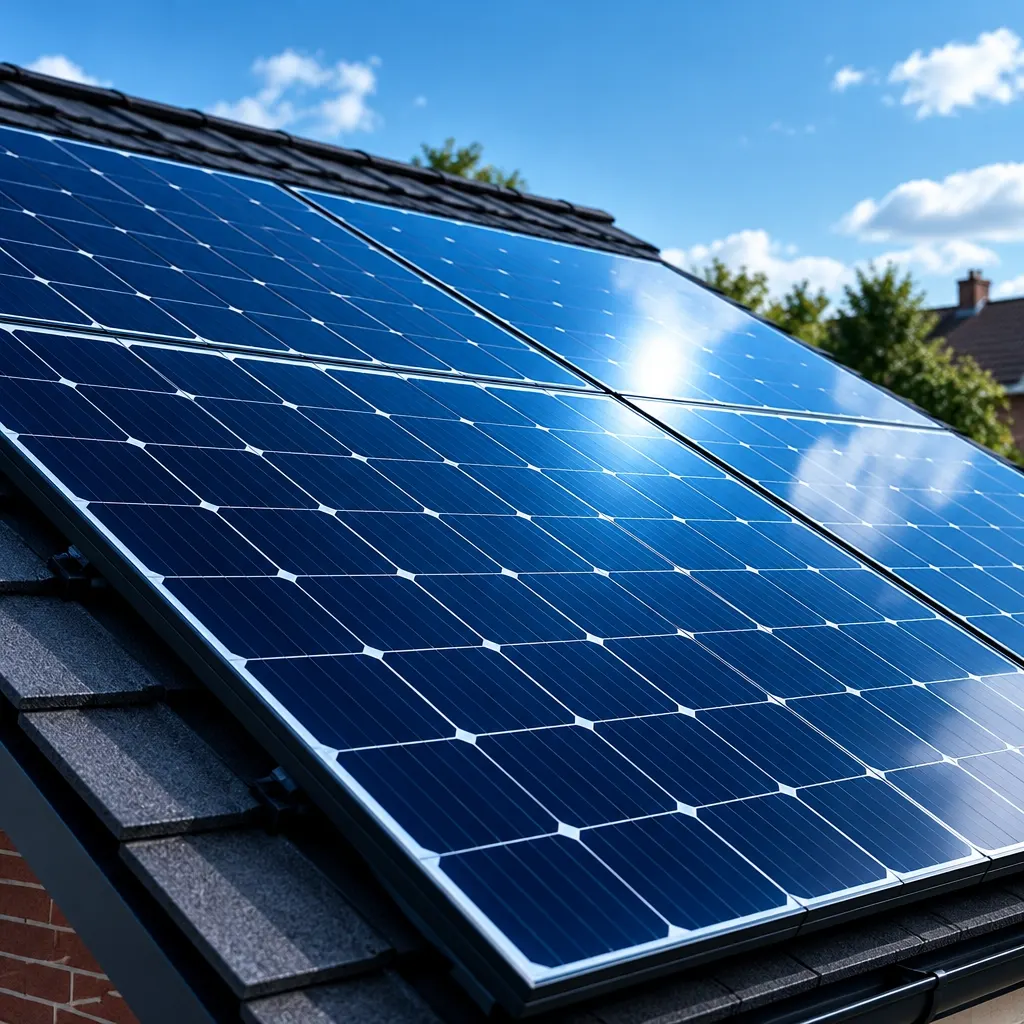
Solar generation can contribute flexibility, especially when paired with controllable storage.
When export prices are negative, controllable systems may reduce or shift export, subject to the inverter, metering and market arrangement.
Where solar is paired with controllable loads or a battery, generation can be used on site or stored rather than exported.
Solar paired with a battery can store energy and shift when it is used or exported, subject to the site setup and market access.
Actual eligibility and performance depend on your equipment, controls, connection, market rules and technical qualification. Not every service is available to every asset.
 Tap to see grid services ↓
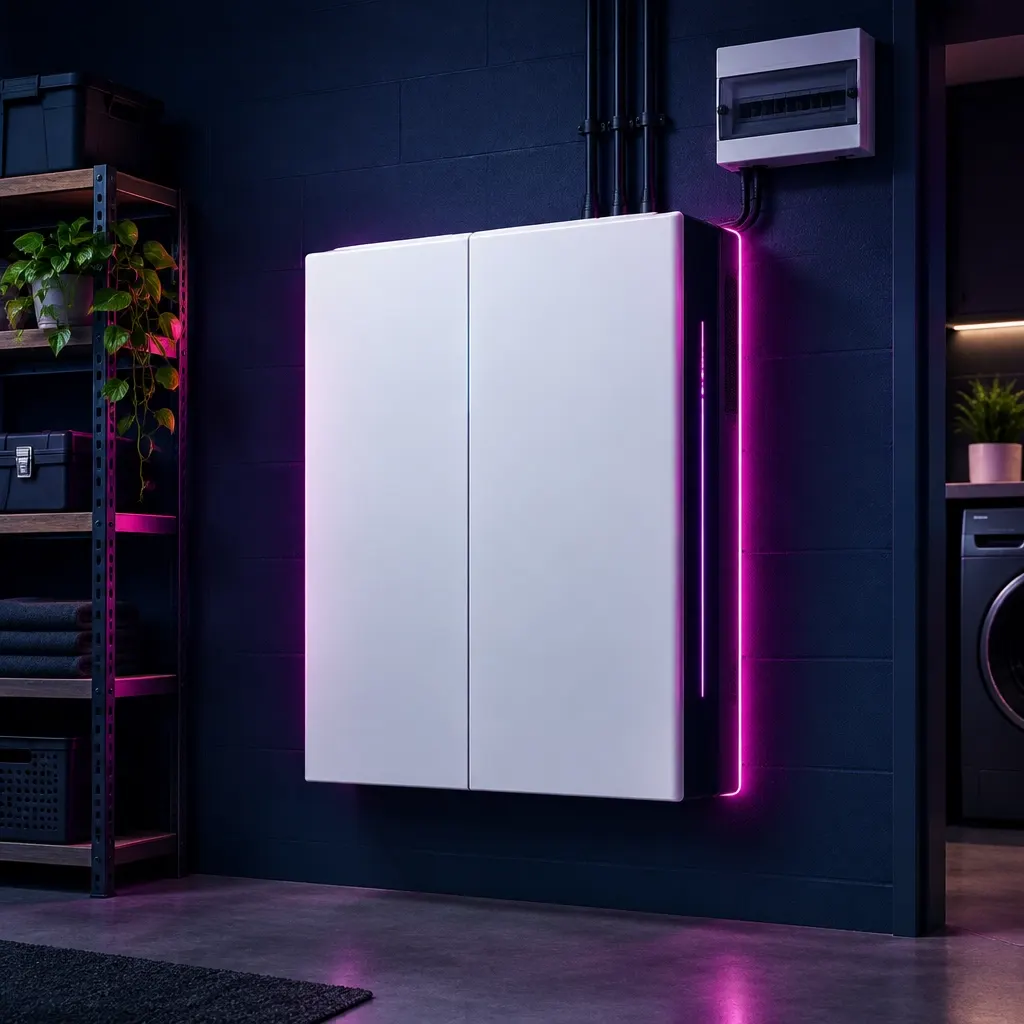
A controllable battery can store, release or shift energy to support different grid services.
A suitably controlled battery can charge or discharge in response to grid-frequency signals, subject to technical and market qualification.
Store energy when prices are lower and discharge when prices are higher, within battery limits and the agreed market route.
A battery may charge or adjust export during negative-price periods when its controls, tariff and market setup allow.
Charge or discharge can be scheduled to shift the site’s import and export when the grid needs flexibility.
Some grid-forming batteries can provide fast stability support when fitted with suitable controls and accepted for the service.
Eligible storage may take part in capacity arrangements when it meets the applicable testing, delivery and contract requirements.
Actual eligibility and performance depend on your equipment, controls, connection, market rules and technical qualification. Not every service is available to every asset.
 Tap to see grid services ↓
Flexible heating can shift some electricity use while maintaining comfort and heat.
A smart controller and thermal storage can shift heating away from high-demand periods, within comfort and system limits.
Where controls and tariffs allow, heating can be scheduled to use more electricity during lower or negative-price periods.
A heat pump with suitable thermal storage may shift electricity use to different price periods; it does not export power by itself.
Actual eligibility and performance depend on your equipment, controls, connection, market rules and technical qualification. Not every service is available to every asset.
 Tap to see grid services ↓
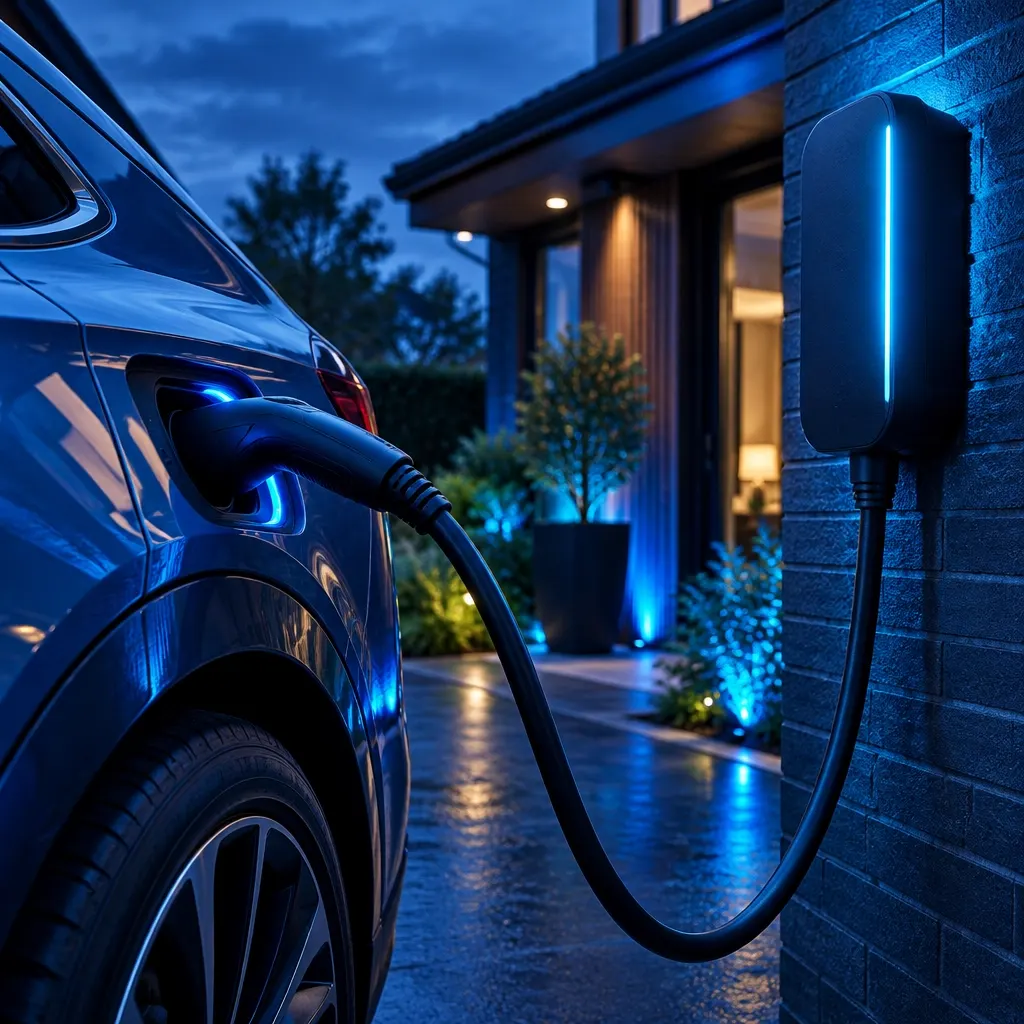
Smart charging can move vehicle charging to different times; export requires a compatible vehicle and charger.
Smart charging can pause or shift charging to help manage demand, provided the vehicle is connected and the driver’s needs are met.
Charging may be moved into lower or negative-price periods when the charger, vehicle, tariff and controls support it.
Smart charging can shift the timing of electricity use; exporting stored energy requires compatible bidirectional equipment and an eligible setup.
Fast response is only possible where the charger, vehicle, control system and market qualification support the required service.
Actual eligibility and performance depend on your equipment, controls, connection, market rules and technical qualification. Not every service is available to every asset.
 Tap to see grid services ↓
Utility-scale solar can offer generation flexibility, often alongside co-located storage.
Dispatchable solar may adjust export during negative-price periods, depending on connection, contracts and plant controls.
Curtailment or coordinated output changes can provide flexibility where the plant and connection arrangements permit.
Solar paired with storage can shift exported energy to different periods, subject to the battery, metering and market route.
Participation depends on eligible capacity, delivery capability and meeting the applicable Capacity Market rules.
Actual eligibility and performance depend on your equipment, controls, connection, market rules and technical qualification. Not every service is available to every asset.
 Tap to see grid services ↓
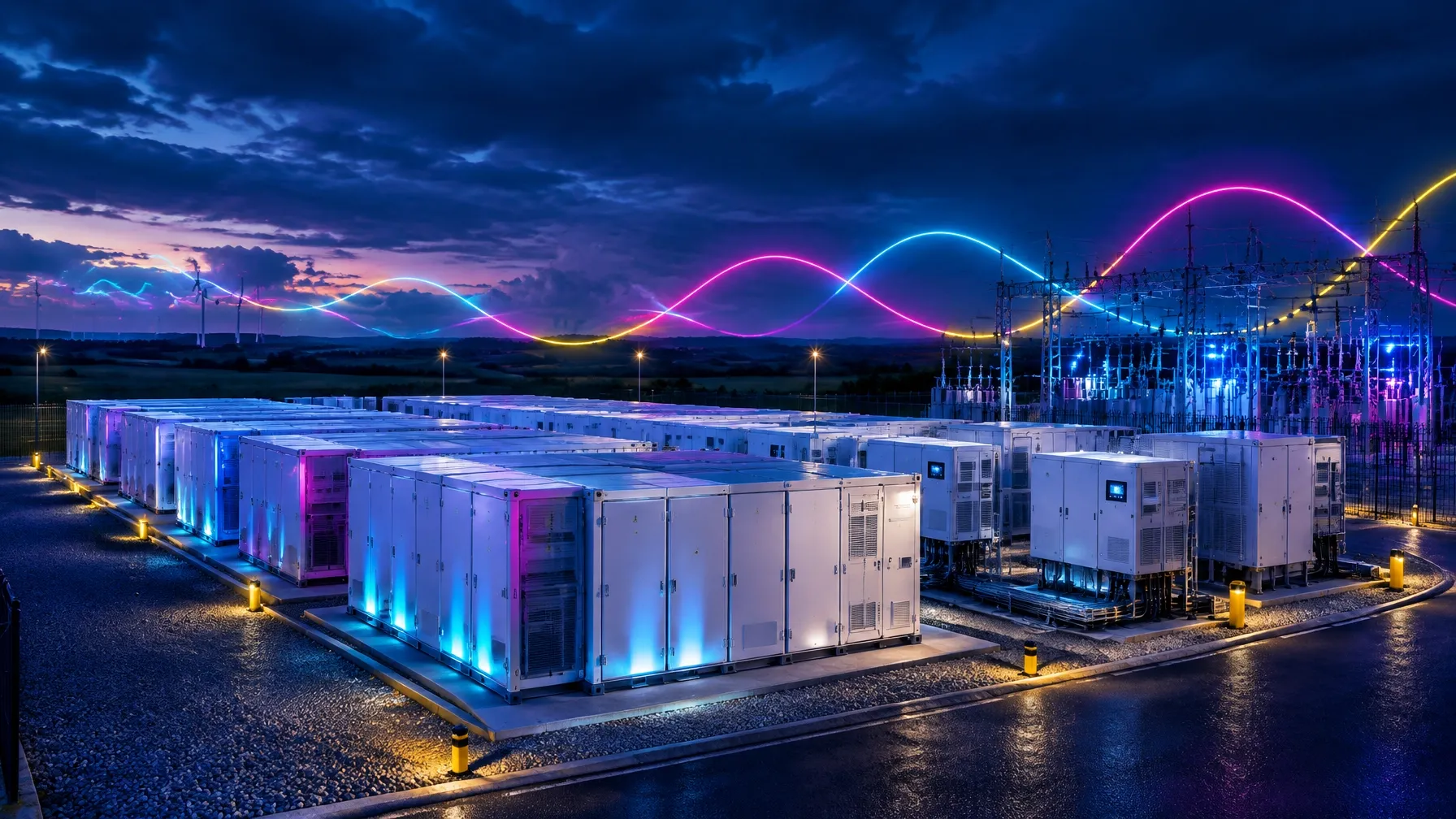
Large batteries can deliver fast, flexible response when their controls and market qualification support it.
Fast battery controls can adjust charging or discharge in response to grid frequency, subject to the specific service qualification.
Store electricity in lower-price periods and discharge in higher-price periods within operational and market limits.
Charging and export can be adjusted during negative-price periods when the connection, contracts and controls allow.
Scheduled imports and exports can be shifted to support the wider system and local constraints where applicable.
Suitable grid-forming inverters may provide stability support after completing the required technical assessment and qualification.
Eligible storage can seek capacity revenue by meeting the scheme’s availability, testing and delivery obligations.
Actual eligibility and performance depend on your equipment, controls, connection, market rules and technical qualification. Not every service is available to every asset.
 Tap to see grid services ↓
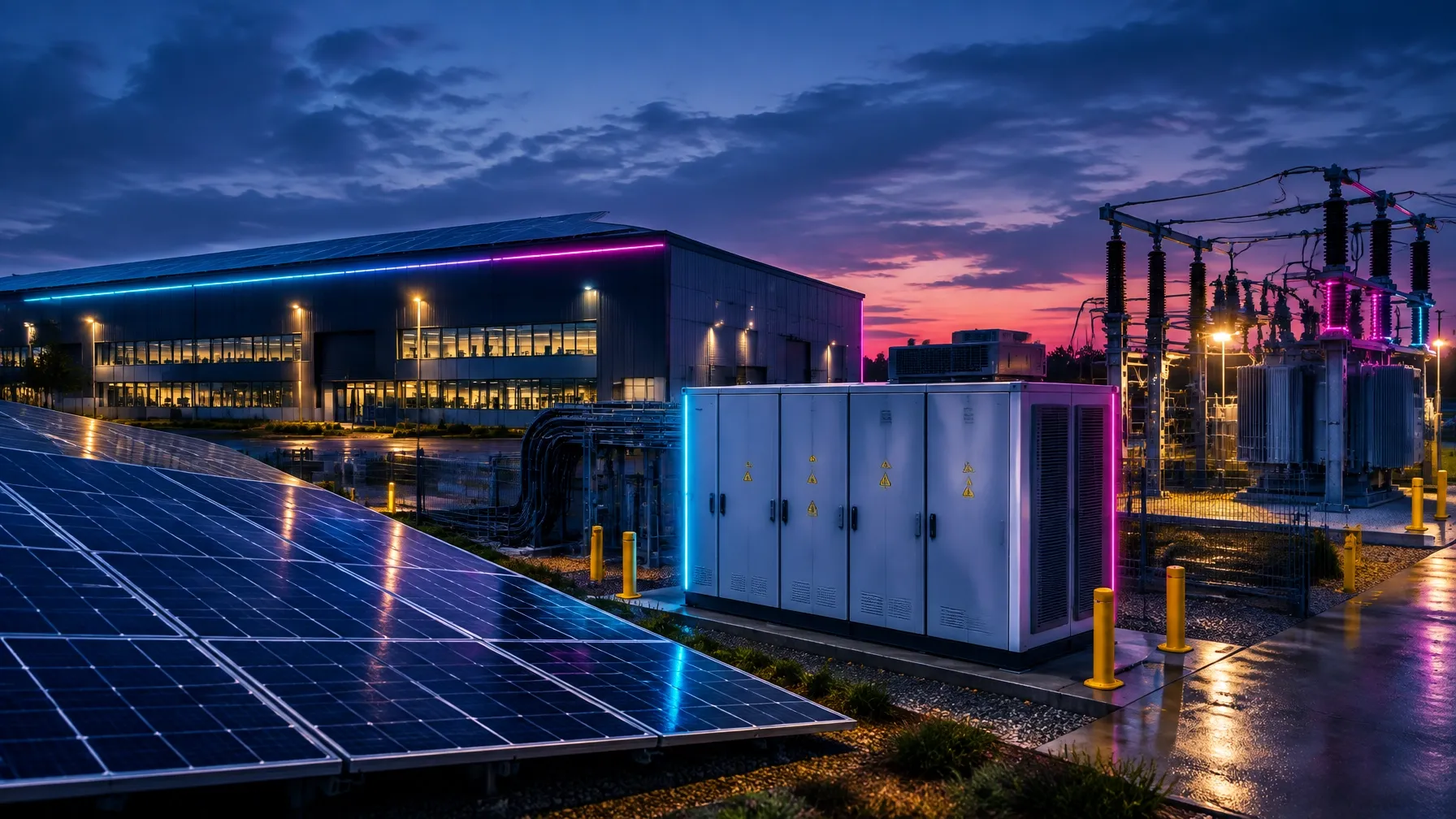
Flexible processes, on-site generation and storage can be assessed for grid services.
Eligible processes can reduce or shift electricity use at agreed times without compromising operational requirements.
Fast, controllable loads or batteries may respond to frequency signals if they meet technical standards and qualification.
Flexible demand or storage can respond to negative-price periods where site controls, contracts and settlement arrangements allow.
Eligible dependable capacity may participate directly or through an aggregator, subject to scheme rules and obligations.
Actual eligibility and performance depend on your equipment, controls, connection, market rules and technical qualification. Not every service is available to every asset.
 Tap to see grid services ↓
Thermal flexibility can shift cooling and heating demand while respecting site operating limits.
Control systems can adjust or shift cooling and heating within safe temperature and process limits.
Automated loads may provide fast response if their control speed, telemetry and aggregation meet service requirements.
Where operations permit, thermal loads can be shifted to make use of lower-price periods.
Aggregated flexible demand may qualify for capacity arrangements when scheme requirements are met.
Actual eligibility and performance depend on your equipment, controls, connection, market rules and technical qualification. Not every service is available to every asset.
Try the grid simulator
Choose assets and a grid condition to see an illustrative balance response and what each connected asset could be doing.
Select one or more assets to see how each could respond in the chosen grid condition.
Illustrative grid response
See how selected assets may respond in each condition.
Illustrative grid balance
Balanced · 50.00 HzConceptual illustration only · not a live grid measurement
Select assets to simulate
Concept illustrationIllustrative only. This simulator is an educational example, not a live grid feed, revenue forecast or guarantee of performance.
The process
INERTIA monitors grid needs and coordinates flexible energy assets to help balance electricity supply and demand.
Your solar panels, batteries and other assets generate and store electricity.
INERTIA's AI software monitors the grid continuously and predicts when balancing is needed.
Stored energy is released or demand is shifted when the grid needs it most.
You receive premium payments from NESO for helping to balance the grid.
In partnership with NESO
INERTIA works with the National Energy System Operator to deliver grid balancing services that help keep the UK's electricity supply secure, stable and clean. Your assets connect to the official balancing scheme, not a third-party intermediary.
50Hz
Grid frequency we help maintain
24/7
Real-time grid monitoring
100%
UK-focused balancing scheme
AI-driven, around the clock
INERTIA accesses the same wholesale energy market rates big energy companies use, rates rarely passed on to the people who own the assets. We think that’s wrong. Our model is simple: you earn the lion’s share, your installer earns a fair ongoing percentage, and INERTIA takes a fixed percentage of what’s generated. No hidden margins. No profiteering.
See how the model worksStart with what you have
Customers can enter a 3-month trial period to see if INERTIA works for their setup. Tell us about your home, business or installation work and we’ll confirm the next steps.
Register your interest